

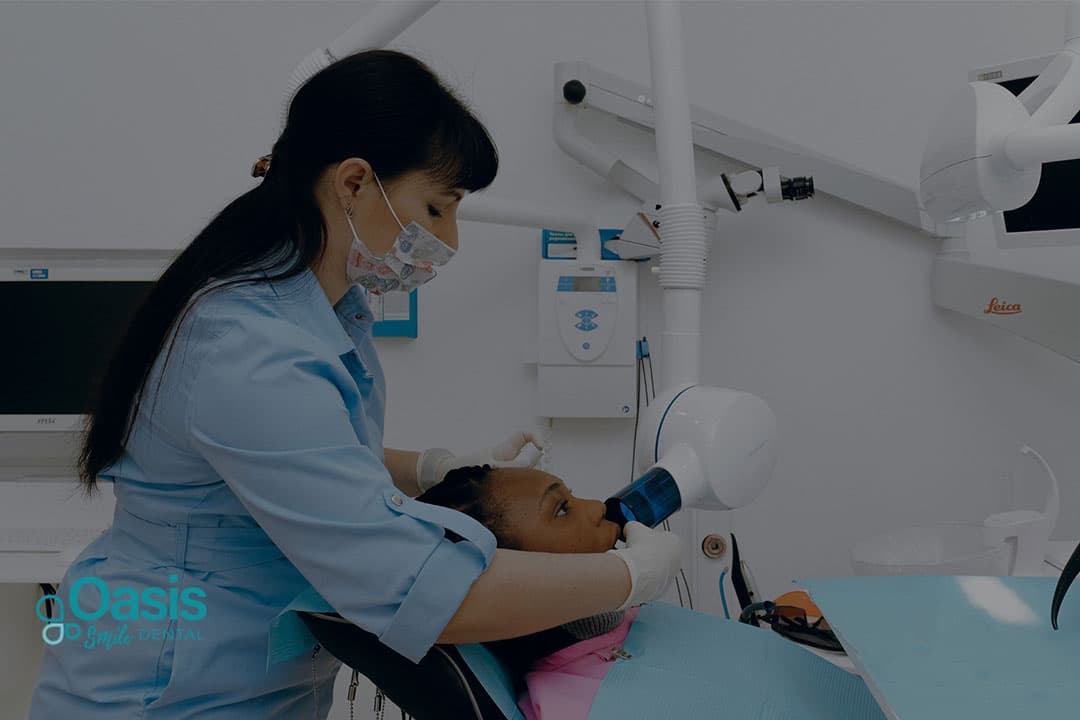
Your oral health directly impacts many aspects of your overall health, making general dentistry a crucial part of your well-being. Neglecting your oral health can lead to a range of systemic issues, from heart disease to diabetes. Regular visits to your dentist for cleanings, check-ups, and preventative care not only keep your smile bright but also contribute to your overall health and quality of life. Understanding the crucial role that general dentistry plays in maintaining excellent health can empower you to prioritize your oral systemic connection and achieve a healthier lifestyle.
The Connection Between Oral Health and Overall Well-Being
The Mouth-Body Connection
Health experts agree that there is a significant connection between your oral health and your overall well-being. Your mouth is not just a separate entity; it is intricately connected to the rest of your body. Poor oral health can lead to various systemic diseases and conditions, such as cardiovascular disease, diabetes, and even respiratory issues.
How Gum Disease Affects Overall Health
For your body to function optimally, it is crucial to maintain good oral hygiene practices and prevent gum disease. Gum disease, also known as periodontal disease, is an infection of the tissues that surround and support your teeth. If left untreated, gum disease can not only result in tooth loss and oral pain but can also escalate the risk of developing serious health problems.
Another reason why gum disease affects your overall health is the inflammation and bacteria present in your mouth from the infection. When your gums are inflamed and infected, this can lead to bacteria entering your bloodstream, causing a chain reaction of inflammation throughout your body. Researchers have linked conditions like heart disease, diabetes, and respiratory issues to this chronic inflammation.
Preventive Dentistry: The Key to Good Health
Clearly, preventive dentistry plays a vital role in maintaining excellent overall health. By prioritizing regular check-ups and cleanings, you are taking proactive steps to prevent potential dental issues before they escalate.
Regular Check-Ups and Cleanings
Health experts recommend visiting your dentist at least twice a year for routine check-ups and cleanings. During these appointments, your dentist will assess your oral health, check for any signs of decay or gum disease, and professionally clean your teeth to remove plaque and tartar buildup.
The Importance of Fluoride and Sealants
A crucial part of preventive dentistry, fluoride treatments and dental sealants can provide added protection for your teeth. Fluoride helps strengthen tooth enamel, making it more resistant to decay, while sealants create a protective barrier on the chewing surfaces of your molars, guarding against bacteria and cavities.
A combination of fluoride treatments and sealants can significantly reduce your risk of developing cavities, especially in hard-to-reach areas of your mouth. By incorporating these preventive measures into your dental care routine, you are investing in your teeth’s long-term health and well-being.
General Dentistry’s Role in Detecting Systemic Diseases
While general health and dentistry primarily focus on the health of your teeth and gums, it also plays a crucial role in detecting systemic diseases that may manifest in the mouth. Your regular dental check-ups can provide valuable insights into your overall health, beyond just the state of your oral cavity.
The Link Between Oral Health and Diabetes
Your dentist may be able to spot early signs of systemic conditions, such as diabetes, between your routine dental visits. Diabetes risk increases with poor oral health, including gum disease, tooth loss, and oral infections. Your dentist can identify potential red flags that may indicate an underlying health issue, such as diabetes, by examining your gums and teeth.
How Dentists Can Identify Cardiovascular Disease Risk
During your dental examination, dentists receive training to identify signs of cardiovascular disease. Research has shown that there is a link between oral health and heart health, with gum disease being associated with an increased risk of heart disease and stroke. Your dentist may detect symptoms such as inflamed gums, plaque buildup, and oral infections, which could signal an elevated risk of cardiovascular issues.
It is critical to prioritize your regular dental visits not only for your oral health, but also for the potential insights they can provide into your overall well-being. By staying proactive about your dental care, you are also taking proactive steps to safeguard your systemic health and catch any potential diseases early on.
Nutrition and Diet: A Critical Component of Oral Health
Once again, let’s research into the vital role that nutrition and diet play in maintaining good oral health. What you consume not only affects your overall health but also has a significant impact on the condition of your teeth and gums.
The Impact of Sugar Consumption on Teeth and Overall Health
Nutrition plays a crucial role in your oral health, particularly when it comes to sugar consumption. Sugary foods and drinks can lead to tooth decay and cavities if consumed in excess. Bacteria in your mouth feed on sugars and produce acid, which can erode tooth enamel over time. This can lead to cavities and other dental issues, affecting not only your oral health but also your overall well-being.
A Balanced Diet for Healthy Teeth and Gums
Health experts emphasize the importance of maintaining a balanced diet not only for your overall health, but also for the well-being of your teeth and gums. Incorporating a variety of nutrients, such as calcium, vitamins, and minerals, can help strengthen your teeth and prevent dental problems. Including foods rich in these nutrients, such as dairy products, leafy greens, and fruits, can promote good oral health and contribute to a beautiful smile.
Teeth are a vital part of your overall health, and proper nutrition plays a key role in keeping them strong and healthy. By following a balanced diet and limiting your consumption of sugary foods and drinks, you can help protect your teeth from decay, maintain good oral hygiene, and support your overall well-being. Keep in mind that what you eat not only affects your waistline but also impacts the health of your teeth and gums.
The Importance of Good Oral Hygiene Habits
Now, taking care of your oral health is crucial for your overall well-being. Good oral hygiene habits not only ensure a bright smile but also contribute to your general health. Regular oral care routines can help you prevent various dental issues and maintain your overall health.
Brushing and Flossing Techniques
Techniques for brushing and flossing are crucial for maintaining good oral hygiene. When brushing your teeth, make sure to use a soft-bristled brush and fluoride toothpaste. Brush in gentle, circular motions to clean all surfaces of your teeth and gums. Additionally, don’t forget to floss daily to remove food particles and plaque from between your teeth. Proper brushing and flossing can help prevent cavities, gum disease, and bad breath.
The Role of Mouthwash in Oral Health
To enhance your oral hygiene routine, consider incorporating mouthwash. Mouthwash can penetrate areas of your mouth that brushing and flossing alone might miss. It helps rinse away bacteria and food particles, freshening your breath and promoting healthier gums. Choosing mouthwash that contains fluoride can also strengthen your teeth and prevent cavities.
This additional step in your oral care routine can provide extra protection against oral health issues. Remember to use mouthwash after brushing and flossing for best results. Consult your dentist to find the right mouthwash for your specific needs; they can recommend the best product for you.
The Interplay Between Mental Health and Oral Health
Contrary to popular belief, there is a close connection between your mental and oral health. The state of your mind can have a significant impact on the health of your teeth and gums, and vice versa. Understanding this relationship can help you take better care of both your mental and oral well-being.
The Connection Between Stress and Teeth Grinding
For many people, stress is a common part of daily life. However, chronic stress can lead to harmful habits such as teeth grinding, also known as bruxism. This condition can cause significant damage to your teeth over time, leading to issues such as worn enamel, jaw pain, and even fractures.
How Anxiety Affects Dental Health
Teeth can be affected by anxiety in various ways. Some people may experience a dry mouth due to reduced saliva production, which can increase the risk of cavities and gum disease. Additionally, individuals with anxiety may be more prone to neglecting their oral hygiene routines, leading to a higher incidence of dental problems.
A visit to your dentist can help address any concerns and prevent potential issues that may arise from the interplay between anxiety and your dental health. Your dentist can provide guidance on proper oral care techniques and recommend strategies to manage anxiety that may be impacting your oral health.
Conclusion
Taking this into account, it is clear that general dentistry plays a crucial role in maintaining your overall health. You not only take care of your oral health by visiting your dentist regularly, but you also contribute to preventing various systemic diseases. Remember, maintaining good oral hygiene and prioritizing dental check-ups are crucial for maintaining the health of your body.
Ready to book your appointment? Contact Oasis Smile Dental at 587.353.9393 or request an appointment online.