

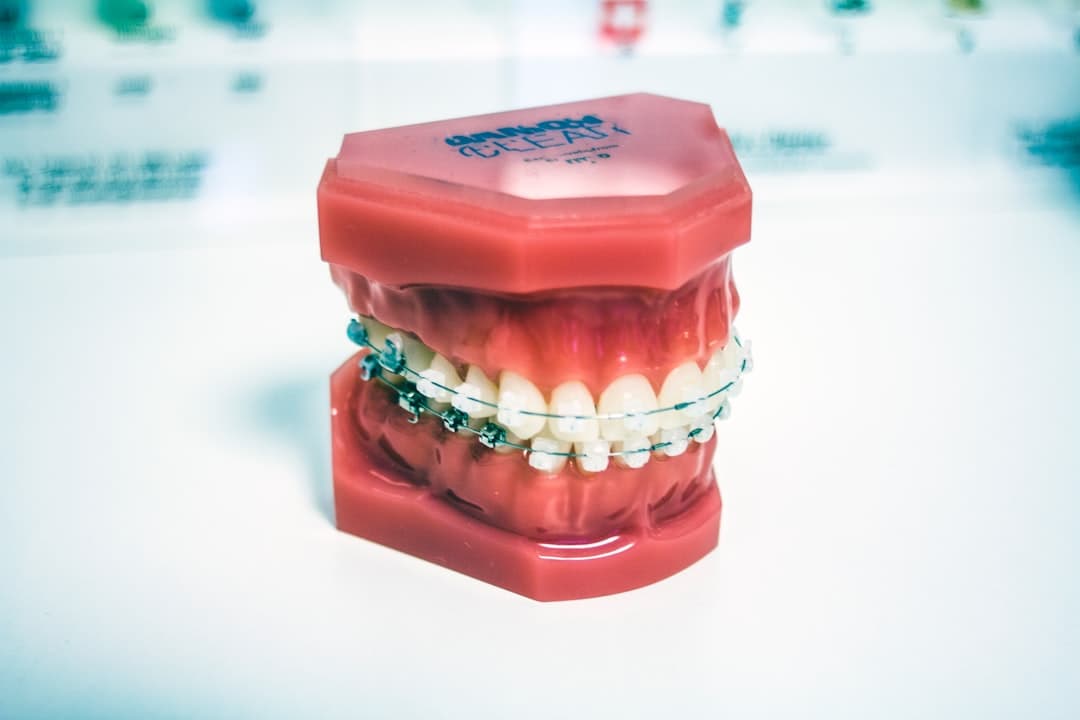
Orthodontics is a specialized branch of dentistry that focuses on correcting misaligned teeth and jaws. The primary purpose of orthodontic treatment is to improve the overall appearance and function of the teeth and jaws. By straightening the teeth and aligning the jaws, orthodontic treatment can help improve a person’s bite, reduce the risk of dental problems such as tooth decay and gum disease, and enhance their overall oral health. Additionally, orthodontic treatment can also have a positive impact on a person’s self-esteem and confidence by giving them a more attractive smile.
Orthodontic treatment is not just about achieving a straighter smile; it also plays a crucial role in improving the overall health and function of the teeth and jaws. Misaligned teeth can make it difficult to properly clean the teeth, leading to an increased risk of tooth decay and gum disease. Furthermore, a misaligned bite can cause excessive wear and tear on the teeth, leading to issues such as chipping, cracking, and even tooth loss. By addressing these issues, orthodontic treatment can help prevent future dental problems and improve the long-term health of the teeth and gums.
Key Takeaways
- The purpose of orthodontics is to correct misaligned teeth and jaws for improved oral health and aesthetics.
- Types of braces include traditional metal braces, ceramic braces, lingual braces, and clear aligners like Invisalign.
- Braces and aligners work by applying gentle pressure to move teeth into the desired position over time.
- The orthodontic treatment process involves initial consultation, treatment planning, wearing braces or aligners, and follow-up care.
- Common misconceptions about orthodontics include the belief that braces are only for children and that treatment is purely cosmetic.
Types of Braces and Aligners
There are several types of braces and aligners available for orthodontic treatment, each with its own unique advantages and considerations. Traditional metal braces are the most common type of braces and are made of high-grade stainless steel. These braces consist of brackets that are bonded to the teeth and connected by archwires, which are gradually adjusted to move the teeth into the desired position. Ceramic braces are similar to traditional metal braces but are made of clear or tooth-colored materials, making them less noticeable.
In recent years, clear aligners have become an increasingly popular alternative to traditional braces. Clear aligners are custom-made, removable trays that are worn over the teeth to gradually shift them into alignment. They are virtually invisible and can be removed for eating, brushing, and flossing, making them a convenient option for many patients. Another type of aligner is lingual braces, which are similar to traditional metal braces but are placed on the back of the teeth, making them completely hidden from view.
How Braces and Aligners Work
Braces and aligners work by applying continuous pressure to the teeth, gradually moving them into the desired position over time. Traditional metal braces use brackets that are bonded to the teeth and connected by archwires, which are adjusted periodically to guide the teeth into alignment. Ceramic braces work in a similar way but are less noticeable due to their clear or tooth-colored materials. Clear aligners use a series of custom-made trays that are worn over the teeth, each one slightly different to gradually shift the teeth into alignment.
Lingual braces work similarly to traditional metal braces but are placed on the back of the teeth, making them completely hidden from view. Regardless of the type of braces or aligners used, the goal is to apply gentle pressure to the teeth in order to move them into their proper position. This process requires regular adjustments and monitoring by an orthodontist to ensure that the teeth are moving correctly and that the treatment is progressing as planned.
Orthodontic Treatment Process
The orthodontic treatment process typically begins with a comprehensive evaluation by an orthodontist, who will assess the alignment of the teeth and jaws and develop a personalized treatment plan. This may involve taking X-rays, photographs, and impressions of the teeth to create a detailed understanding of the patient’s oral anatomy. Once a treatment plan has been established, the orthodontist will discuss the various options available, including the type of braces or aligners that would be most suitable for the patient’s needs.
After the initial consultation, the orthodontist will begin the process of applying the braces or providing the aligners. For traditional braces, this involves bonding brackets to the teeth and connecting them with archwires, which will be periodically adjusted to move the teeth into alignment. For clear aligners, the orthodontist will take impressions of the teeth to create custom-made trays that will gradually shift the teeth into their proper position. Throughout the treatment process, patients will need to attend regular appointments with their orthodontist for adjustments and monitoring to ensure that their treatment is progressing as planned.
Common Misconceptions about Orthodontics
There are several common misconceptions about orthodontic treatment that can lead to misunderstandings about its purpose and effectiveness. One common misconception is that orthodontic treatment is only for cosmetic purposes, when in fact it plays a crucial role in improving overall oral health. Misaligned teeth can make it difficult to properly clean the teeth, leading to an increased risk of tooth decay and gum disease. By straightening the teeth and aligning the jaws, orthodontic treatment can help reduce these risks and improve long-term oral health.
Another common misconception is that orthodontic treatment is only for children and teenagers. While it is true that many people undergo orthodontic treatment during their adolescent years, it is never too late to seek orthodontic care. In fact, an increasing number of adults are seeking orthodontic treatment to improve their smiles and address oral health concerns. Orthodontic treatment can be beneficial at any age, as long as the teeth and gums are healthy enough to undergo treatment.
Choosing the Right Orthodontic Treatment

When choosing the right orthodontic treatment, it is important to consider several factors, including the severity of misalignment, personal preferences, lifestyle, and budget. Traditional metal braces are often recommended for more severe cases of misalignment, as they are highly effective at moving the teeth into their proper position. However, for those who prefer a more discreet option, ceramic braces or clear aligners may be more suitable.
Clear aligners are a popular choice for many patients due to their virtually invisible appearance and convenience. They can be removed for eating, brushing, and flossing, making them a practical option for those with busy lifestyles. Lingual braces are another discreet option for those who prefer a hidden treatment option. When choosing the right orthodontic treatment, it is important to consult with an experienced orthodontist who can assess your individual needs and recommend the most suitable option for your specific case.
Maintaining Oral Health with Braces and Aligners
Maintaining good oral hygiene is crucial during orthodontic treatment to prevent issues such as tooth decay and gum disease. With traditional braces, it is important to brush after every meal and floss daily to remove food particles that can become trapped in the brackets and wires. Specialized tools such as interdental brushes and floss threaders may be recommended to help clean between the teeth and around the braces.
For those wearing clear aligners, it is important to remove them before eating or drinking anything other than water and to brush and floss before putting them back in. Regular cleaning of both the aligners and the teeth is essential to prevent plaque buildup and maintain good oral health throughout treatment. Additionally, attending regular appointments with your orthodontist for adjustments and monitoring is crucial to ensure that your treatment is progressing as planned and that any issues can be addressed promptly.
In conclusion, orthodontic treatment plays a crucial role in improving both the appearance and function of the teeth and jaws. By addressing misalignment issues, orthodontic treatment can help reduce the risk of dental problems such as tooth decay and gum disease while also enhancing a person’s self-esteem and confidence. With various types of braces and aligners available, it is important to consult with an experienced orthodontist to determine the most suitable treatment option for your individual needs. Maintaining good oral hygiene throughout orthodontic treatment is essential to prevent dental issues and ensure successful results in achieving a straighter, healthier smile.
If you’re interested in learning more about general dentistry, you should check out the article “The Importance of General Dentistry in Maintaining Oral Health” on Oasis Smile Dental. This article provides valuable information on the various aspects of general dentistry and how it plays a crucial role in maintaining overall oral health. Understanding the basics of general dentistry can help individuals make informed decisions about their oral care and treatment options.
Ready to book your appointment? Contact Oasis Smile Dental at 587.353.9393 or request an appointment online.